
Is Your Solar Street Light Battery Failing in Winter? Here's a Fix Built for -40°C
Most solar street light batteries lose capacity or simply stop charging below freezing — and an off-grid fixture with a dead battery stays dark until someone drives out to fix it. Wiltson Energy's heater-free LiFePO4 batteries accept a charge at -30°C and deliver ≥90% of rated capacity at -40°C, so your lights stay on through the coldest months.
Why Do Solar Street Lights Fail in Winter?
A solar street light is fully off-grid: its only energy source is the panel, and its only reserve is the battery. In winter, two problems hit at once — the daily charging window is shortest just as the long nights draw the most power, and the cold sharply cuts how much the battery can store and deliver.
A conventional lithium-ion pack — including standard LiFePO4 designs — loses usable capacity as the temperature drops, and below freezing most packs will not accept a charge at all. The failure is a familiar one: the light runs down over a few cold nights and never recovers, because the battery can no longer recharge during the short, cold days.
The Hidden Problem: Standard Batteries Can't Charge in Cold Weather
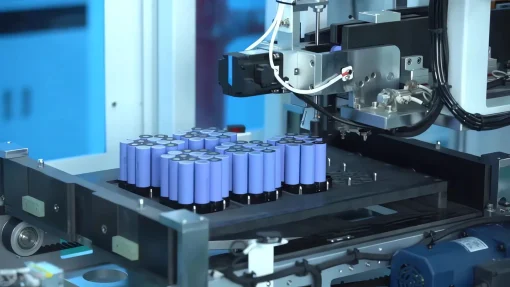
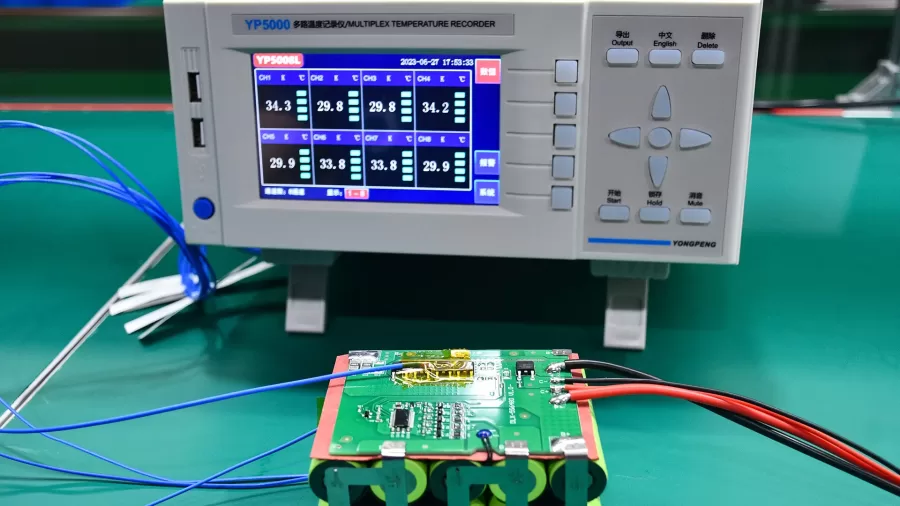
Discharging in the cold is hard; charging is worse. Below 0°C, pushing charge into a conventional lithium cell causes lithium plating — permanent damage and a genuine safety hazard — so a well-designed BMS blocks charging when the pack is too cold. In an unheated system, that protection is exactly what darkens the light: the panel makes power at midday, but the cold battery cannot accept it, so the pack drains a little more each night until it dies. Heated packs try to work around this by warming the cells first — but the heater draws from the same small battery, spending scarce winter charge and adding a component that can fail unattended in the field.
Common Solar Street Light Battery Problems in Cold Climates
Dimming & short runtime
Lights fade or shut off hours early as cold cuts usable capacity.
Won't charge below freezing
The BMS blocks charging, so the pack cannot recharge on cold days.
Capacity loss in the cold
Standard cells deliver only a fraction of their rated amp-hour capacity in sub-zero cold.
Premature failure & replacement cost
Cold-cycled packs age fast, forcing costly truck rolls to swap them out.
Heaters drain the battery
Heated packs spend scarce stored energy warming their cells before charging can even start.
Winter warranty claims
Failures spike during the first hard freeze — exactly when field access is most difficult.
What to Look for in a Cold-Weather Solar Street Light Battery
- Charges directly below 0°C without any heating element
- Maintains high usable capacity down to -40°C, not just -20°C
- LiFePO4 chemistry for cold-weather safety and long cycle life
- Complete compliance and test documentation — CE, UN 38.3, UL 1642, and more
- An independently verified low-temperature test report, not just a datasheet claim
The Better Solution: Heater-Free LiFePO4 That Charges Directly at -30°C
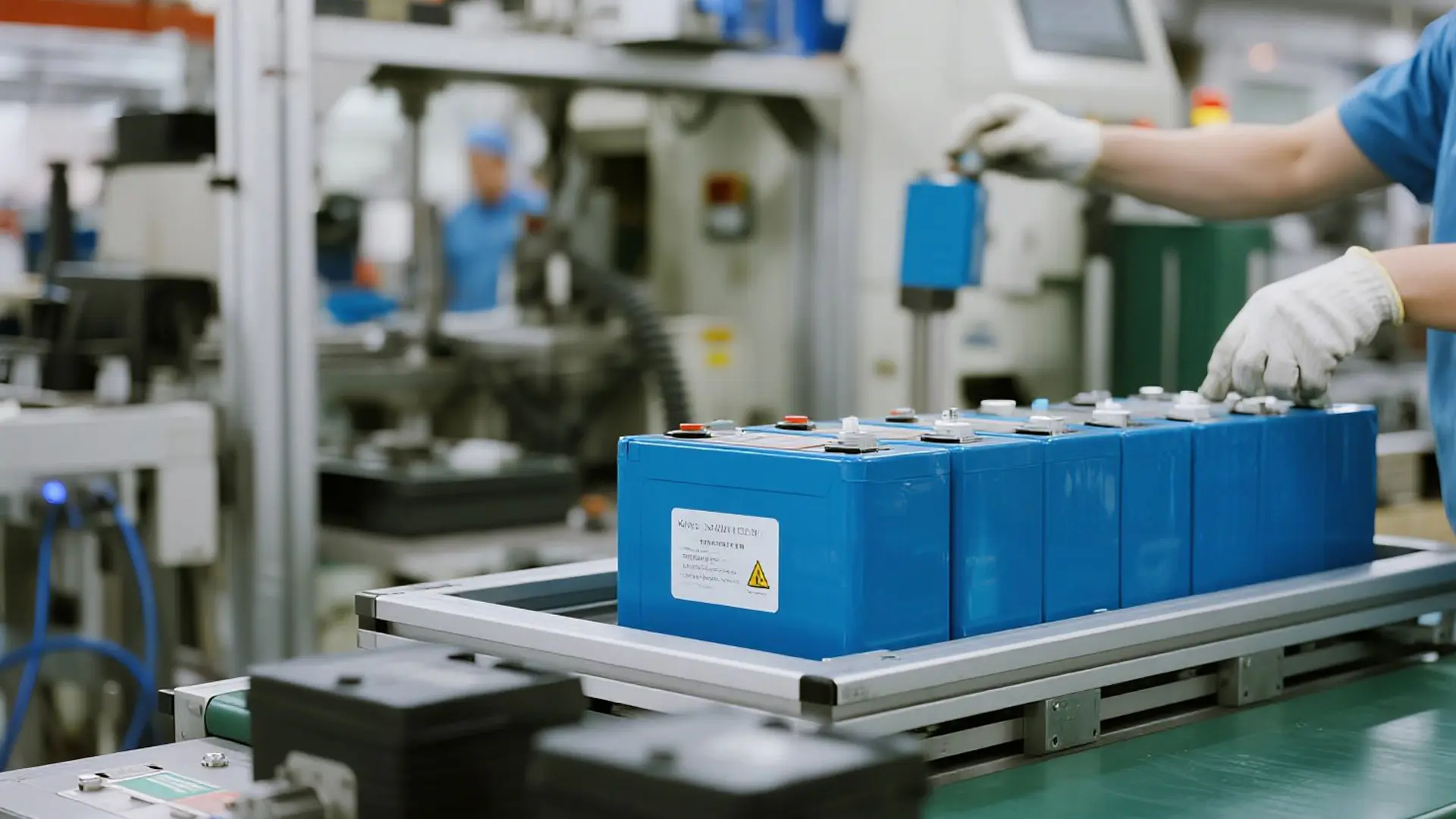
Wiltson Energy builds LiFePO4 modules engineered for exactly this problem — designed to charge at -30°C with no internal heater. Independently verified performance:
Discharge Capacityat -40°C (-40°F)
A heated pack cannot deliver power at -40°C until its cells warm up — and in an off-grid street light, that heat has to come from the same limited solar-and-battery reserve.
Charging Timeat -30°C (-22°F)
Heated packs need roughly 5 hrs of warm-up plus 2 hrs of charging, using up most of the limited winter charging window; Wiltson packs start charging immediately, with no warm-up cycle.
Discharge Rateat -40°C (-40°F)
A cold-weather discharge rate up to 15× higher supports LED startup and peak loads on the coldest nights.
Certifications
CE
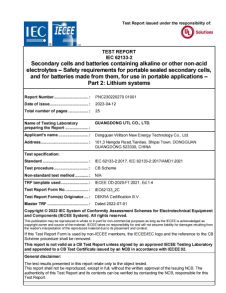
CB
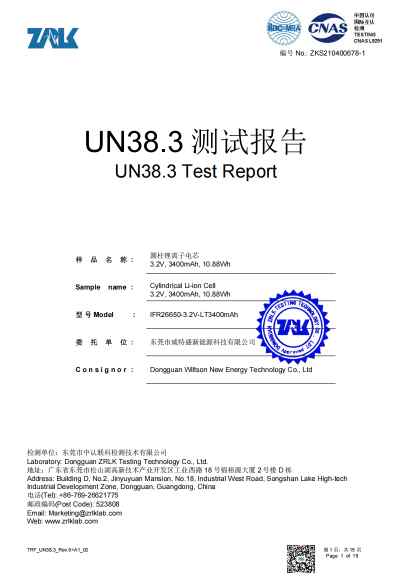
UN38.3
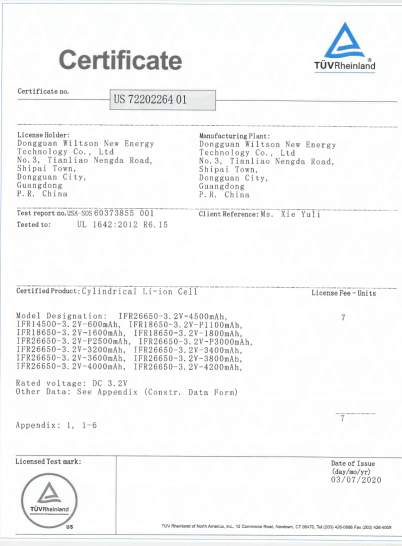
UL1642
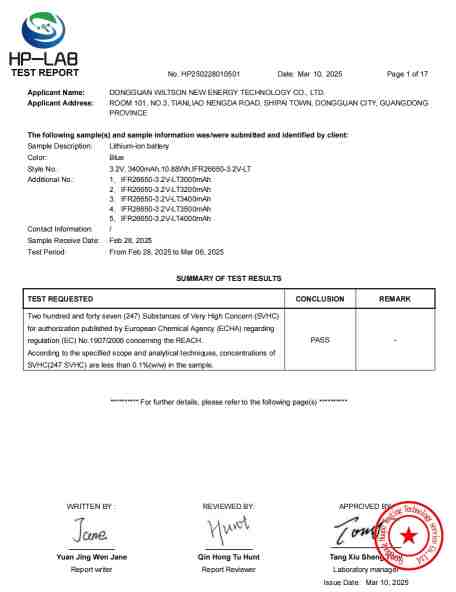
REACH
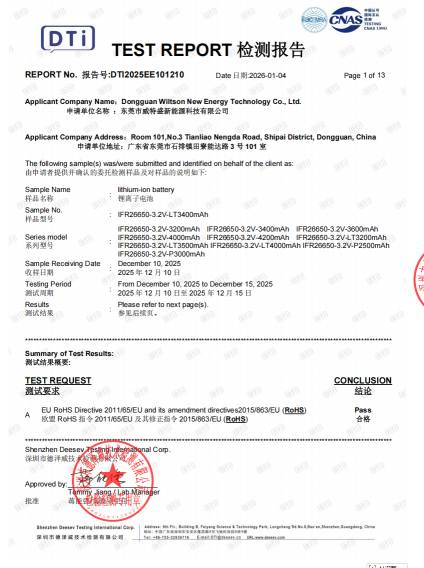
RoHS
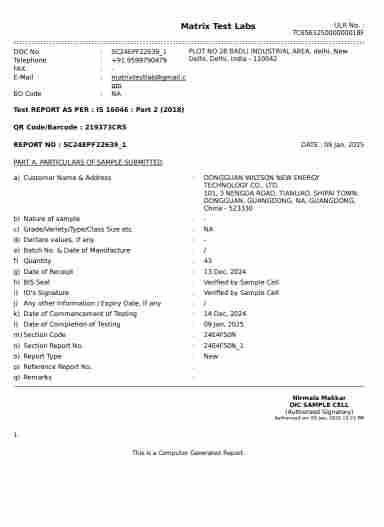
A complete low-temperature test report from an independent third-party laboratory (such as SGS, TÜV, or UL) is available on request — it names the testing lab and the standards applied. Ask our engineering team for the full cold-weather results.
Get Cold-Climate Battery Specs & Pricing
Get Datasheet + Certification Pack + Sample Proposal
Submit your requirements and our engineering team will respond within 24 hours.